



|
|
|
|
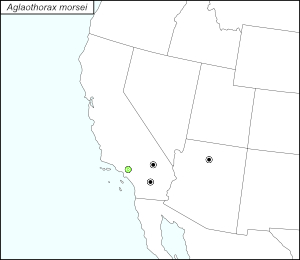
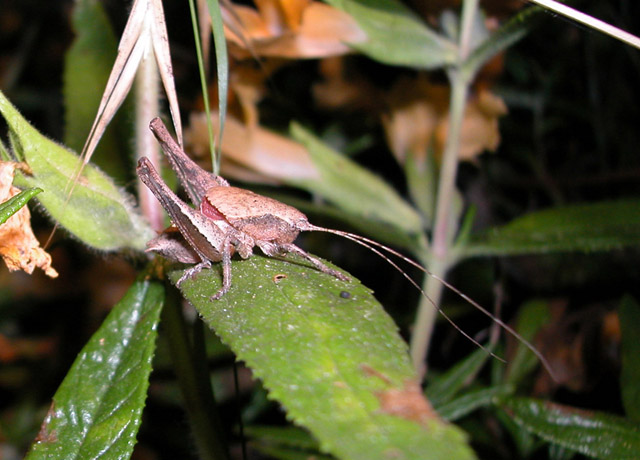
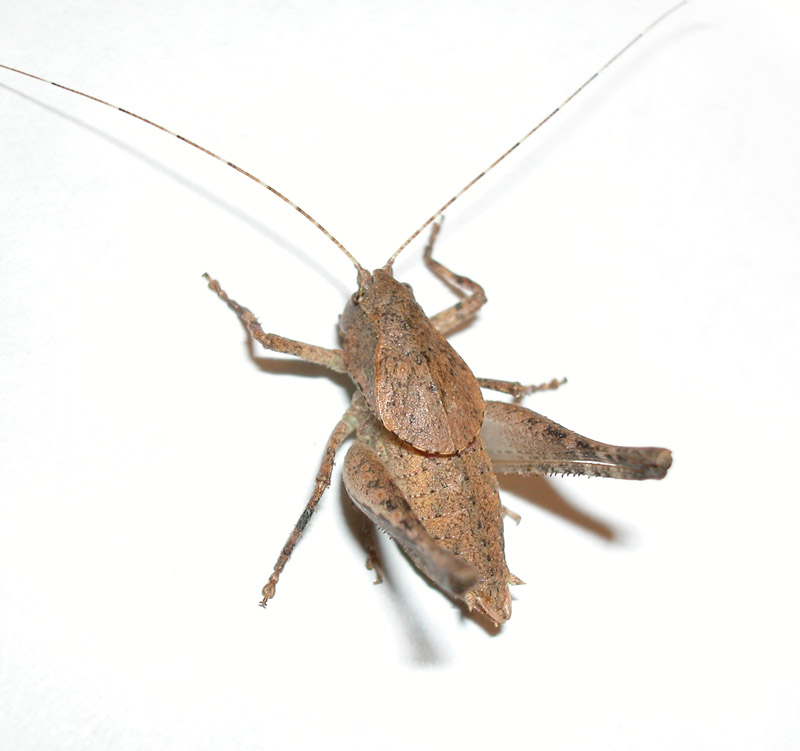
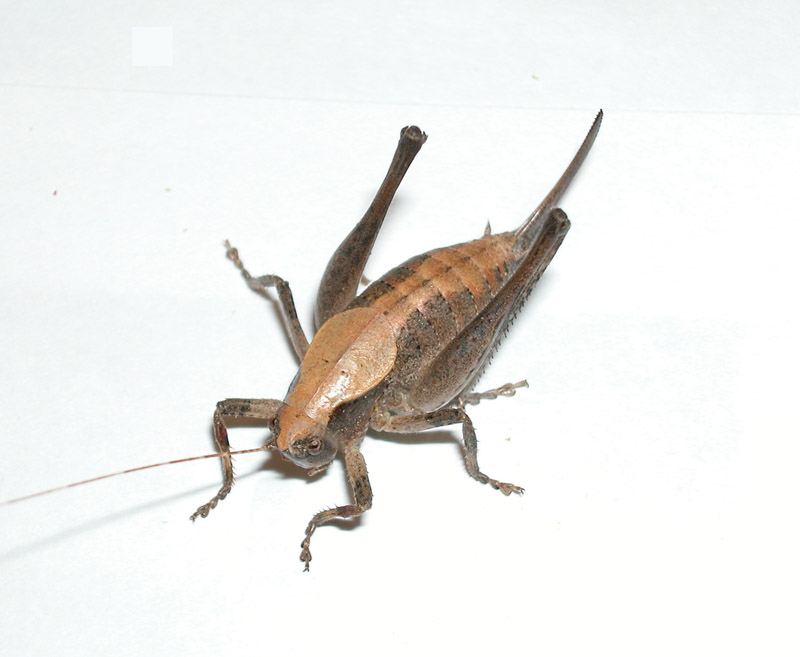
| map | male | male (m. morsei) | female (m. morsei) |
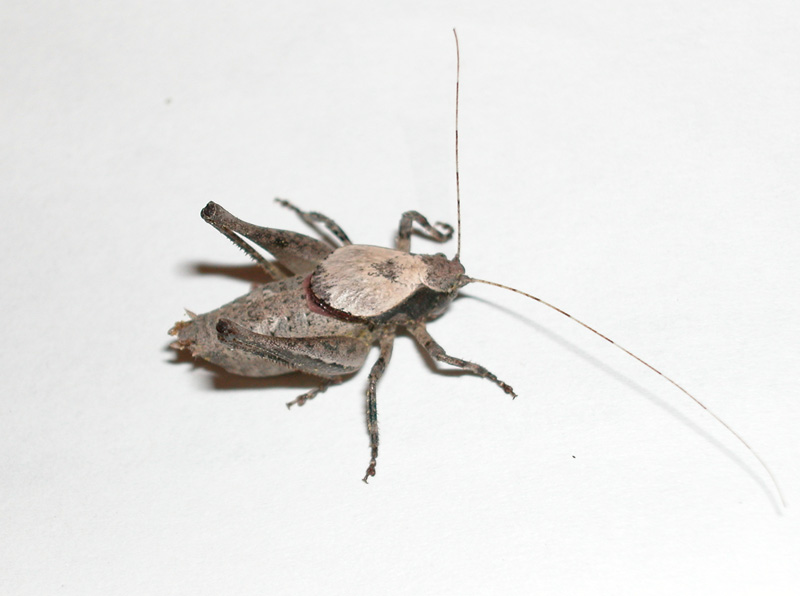
|
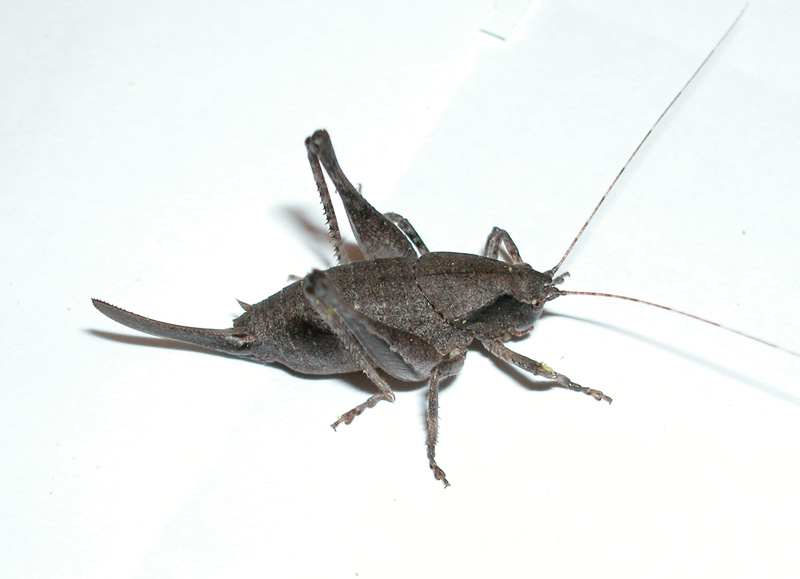
|
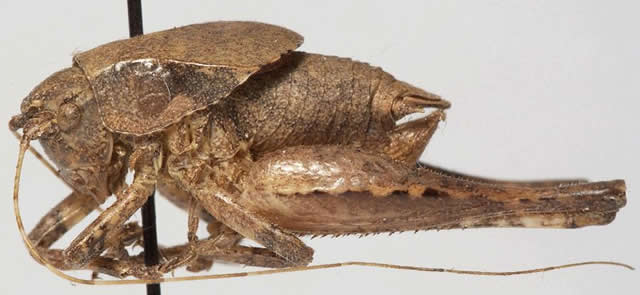
|
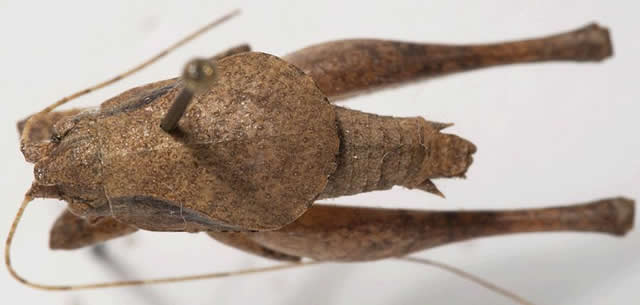
|
| male (m. costalis) | female (m. costalis) | male (m. costalis) | male (m. costalis) |
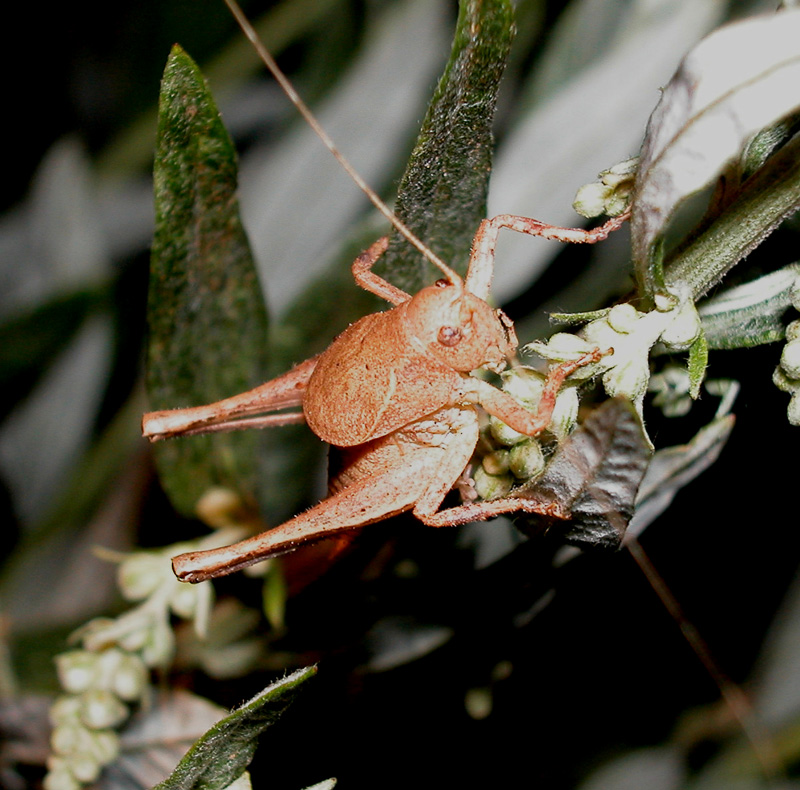
|
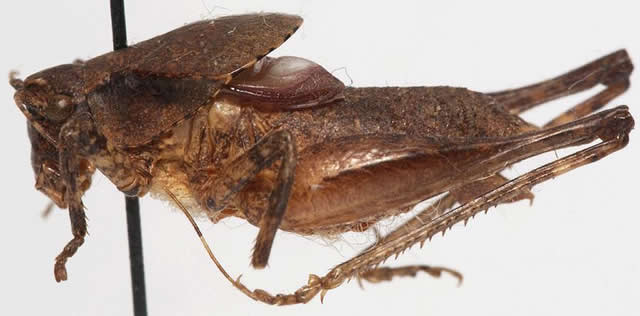
|
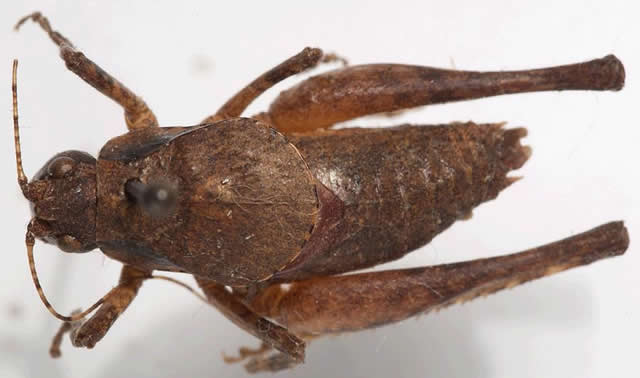
|
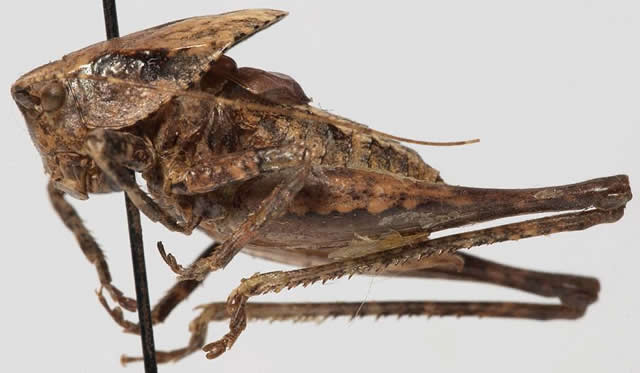
|
| male (m. curtatus) | male (m. curtatus) | male (m. curtatus) | male (m. islandica) |
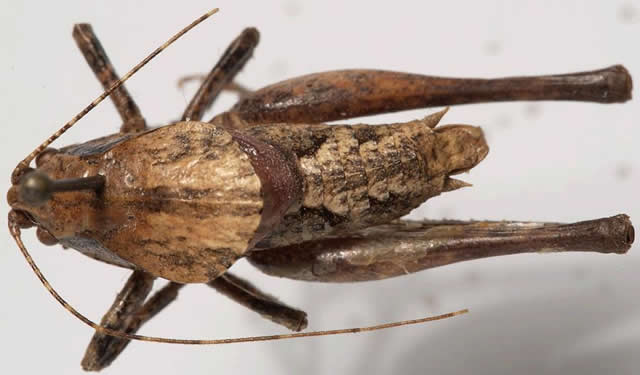
|
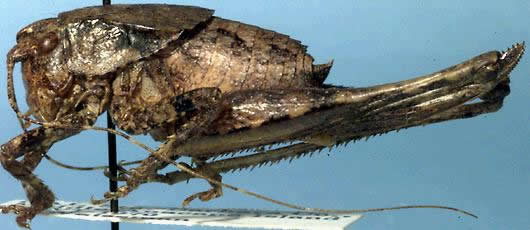
|
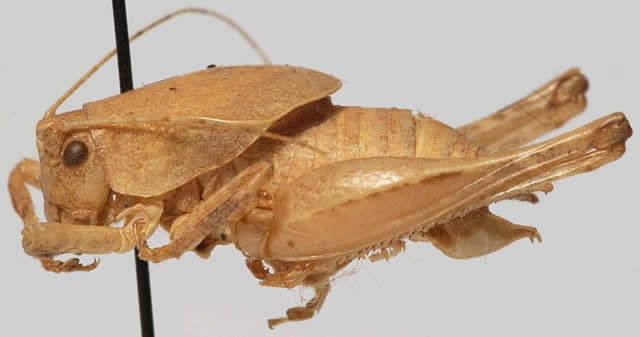
|
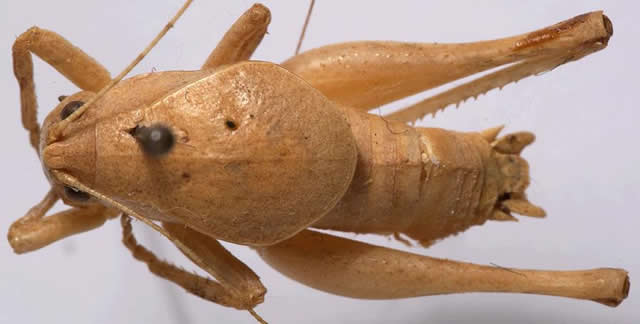
|
| male (m. islandica) | female (m. islandica) | male (m. santacruzae) | male (m. santacruzae) |
|
|
|
|
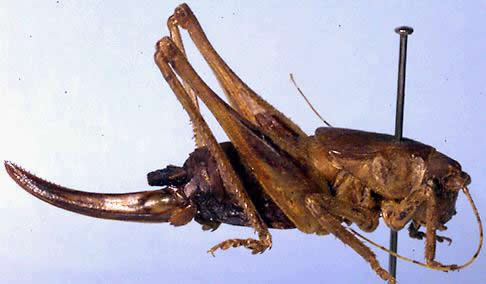
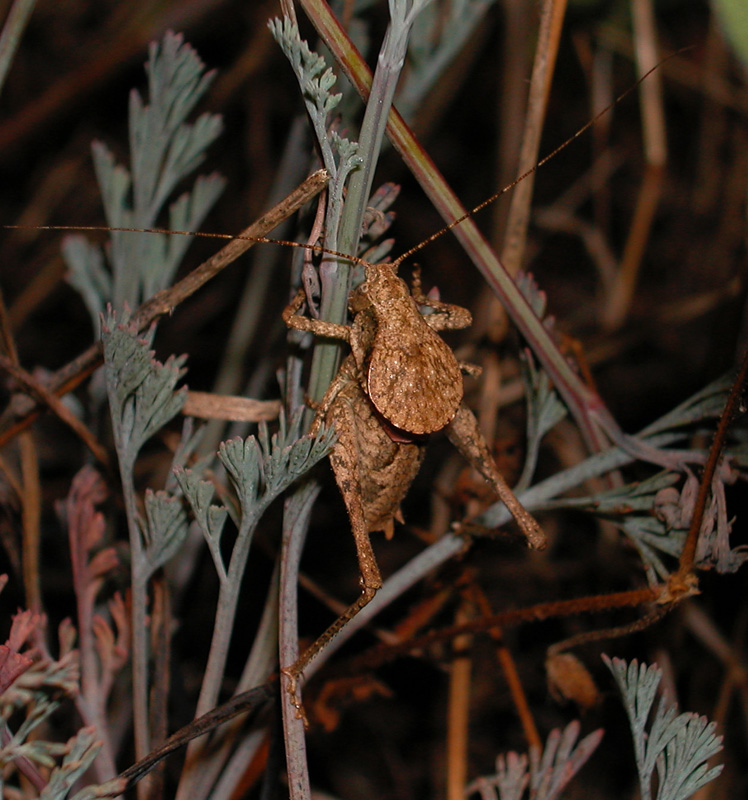
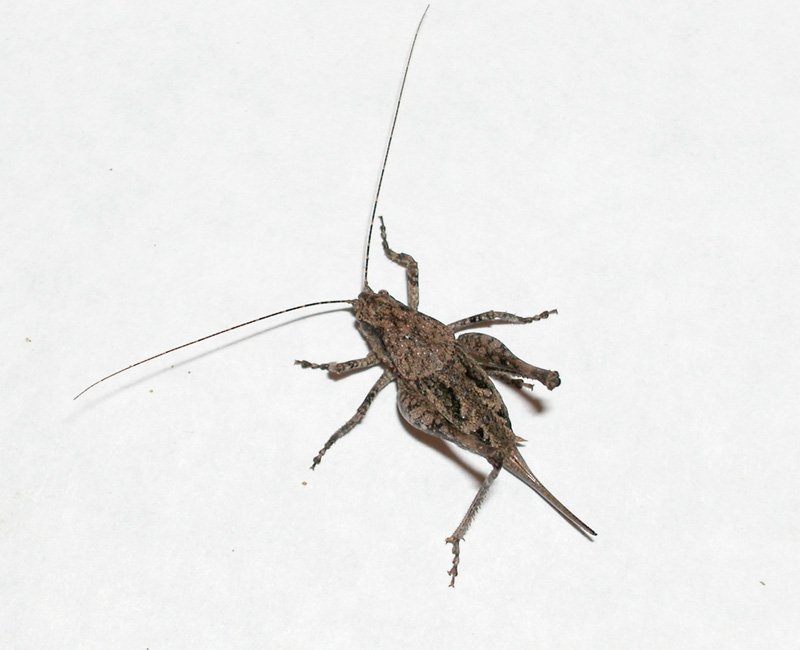
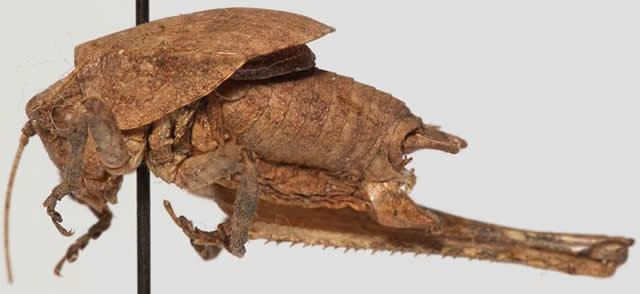
| female (m. santacruzae) | male (m. tectinota) | female (m. tectinota) | male (m. tectinota) |
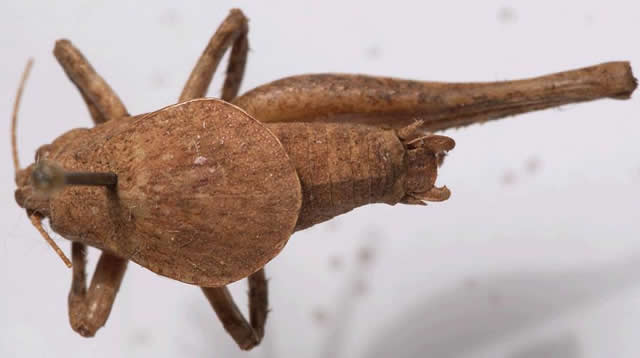
|
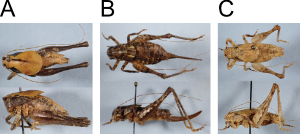
|
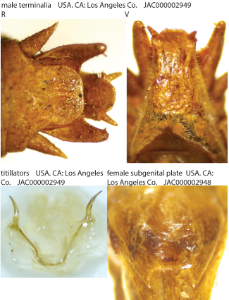
|
|
| male (m. tectinota) | type page | id page |



| Group species: | Morsei. |
| Song: | Pulse trains are slow enough to count by ear. Pulse trains of 50±10 ms duration are delivered at a rate of 5.43±1.18 s-1. Mean peak frequency is 17.16±3.15 kHz, with peak frequencies as high as 20.10 kHz. Pulse trains are grouped into irregular length echemes that consist of 4–24 (mean 12±5) pulse trains. The echeme repetition rate is 3–8 min-1. |
| Identification: |
Morphology
Male supra-anal plate A. morsei, A. costalis, plate is concave dorsally Male paraproct processes A. morsei, mesal tooth is positioned before the apex. Length of the paraproct process is short and as long as wide to about 2 times as wide. A. nesiazo, usually an apical tooth. A. conistylus, internal tooth position is apical to slightly subapical. A. hulodomus, tooth is not as closely placed to the apex as A. morsei. Diminutiva Group species, mesal tooth apical. Male titillator A. morsei, short, curved, mesal notch at the base. All other Morsei Group species, titillator arms do not have a notch. A. hulodomus and A. nesiazo, arms are straight. Male subgenital plate A. morsei, flat and rounded or square with rounded edges. A. conistylus, thick, cone-shaped styli on the subgenital plate. Diminutiva Group species, heart-shaped or indented on the caudal margin. Female subgenital plate A. morsei, lateral processes are triangular and usually as long as wide, never digitiform. Co-distributed Diminutiva Group species, lateral processes are digitiform. See Key to Aglaothorax species. |
| Range: | South slope of the San Gabriel Mountains of Southern California. |
| Habitat: | Coastal sage scrub, oak woodland, and riparian habitats. Taken from Pacific madrone (Arbutus menziesii), monkeyflower (Diplacus spp.), whorl-leaved penstemon (Keckiella sp.), laurel sumac (Malosma laurina), Phacelia spp., wild currants (Ribes spp.), elderberry (Sambucus sp.), poison oak (Toxicodendron diversilobu), and canyon sunflower (Venegasia carpesioides). |
| Season: | Adult activity from late spring through winter. Nymphs are active from spring through early summer. |
| References: |
Cole et al. 2025
Cole et al. 2025 (Morsei Group) pp. 38-68 Cole et al. 2025 (species pages) pp. 39-43 |
| Nomenclature: | Aglaothorax morsei: OSF (Orthoptera Species File Online). |

|

|